Destinations
Asia UNESCO Guides
Explore UNESCO travel information and open regional stay options.
South Korea
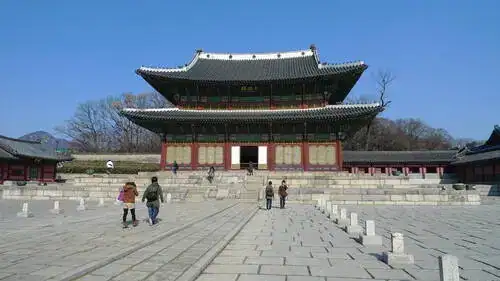
Changdeokgung Palace Complex
In the early 15th century, the King Taejong ordered the construction of a new palace at an auspicious site. A Bureau of Palace Construction was set up...
South Korea
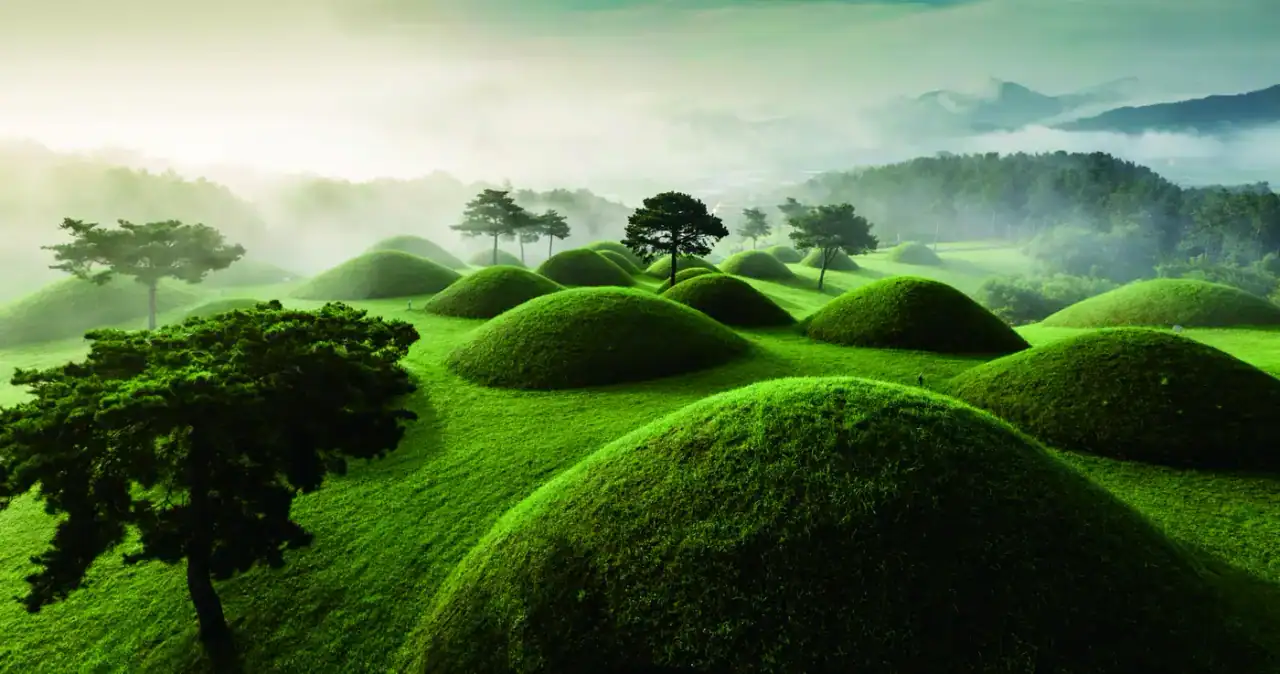
Gaya Tumuli
This serial property includes archaeological cemetery sites with burial mounds attributed to the Gaya Confederacy, which developed in the southern par...
South Korea
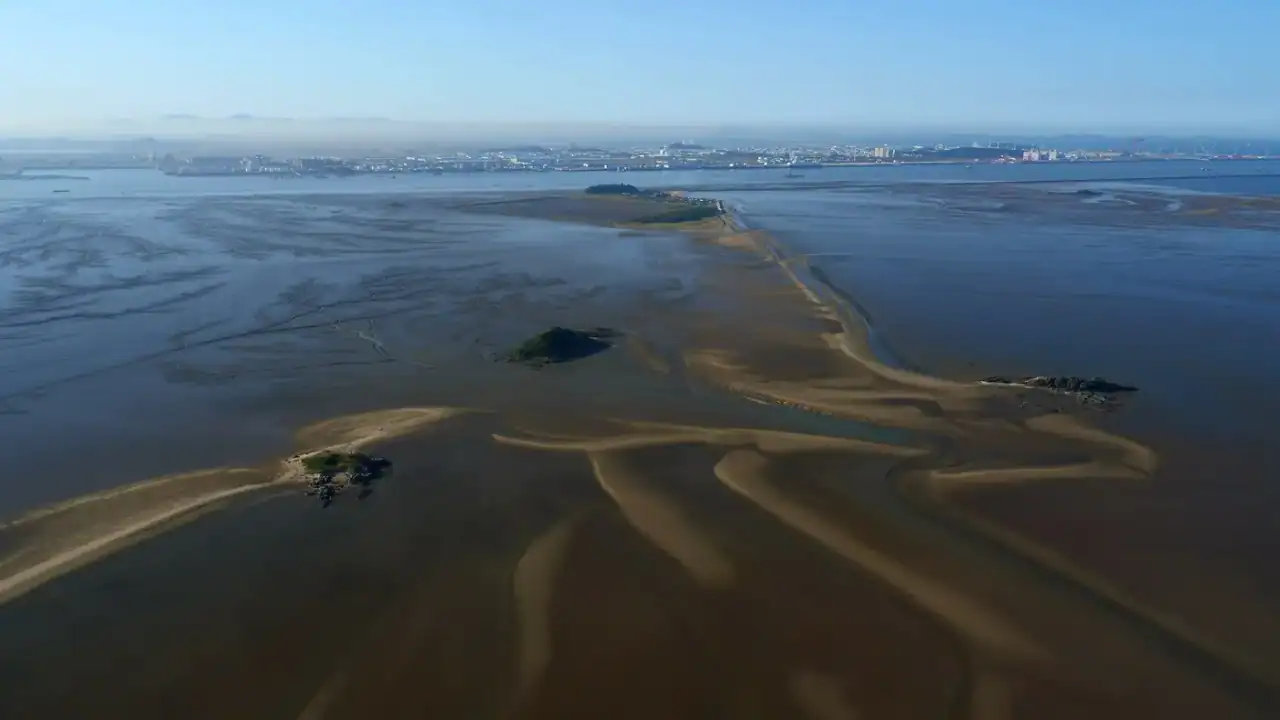
Getbol, Korean Tidal Flats
Situated in the eastern Yellow Sea on the southwestern and southern coast of the Republic of Korea, the site comprises four component parts: Seocheon ...
South Korea
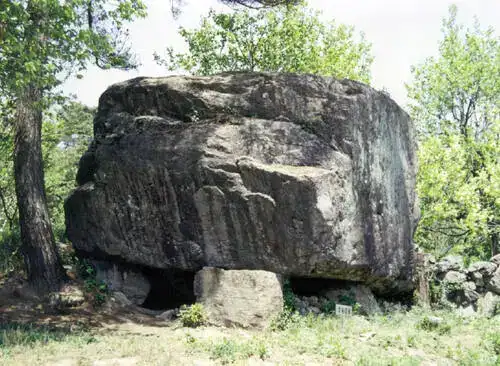
Gochang, Hwasun and Ganghwa Dolmen Sites
The prehistoric cemeteries at Gochang, Hwasun, and Ganghwa contain many hundreds of examples of dolmens - tombs from the 1st millennium BC constructed...
South Korea
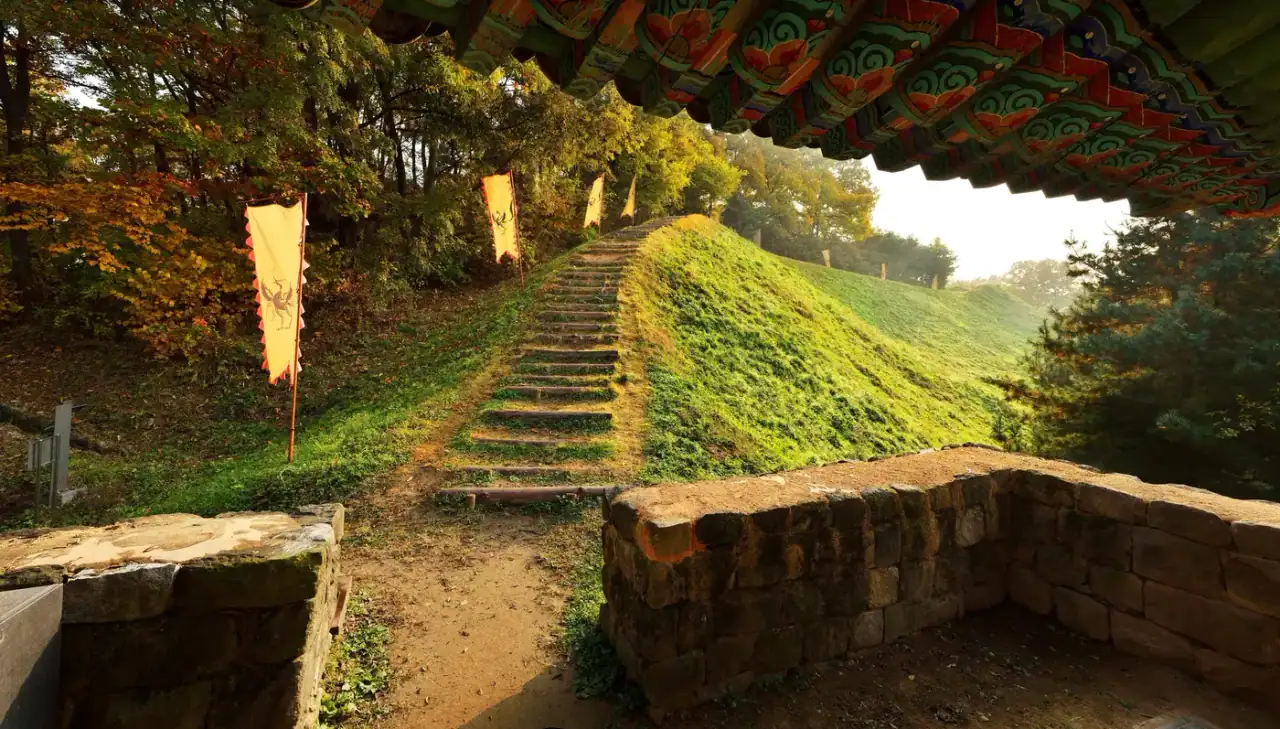
Baekje Historic Areas
Located in the mountainous mid-western region of the Republic of Korea, this property comprises eight archaeological sites dating from 475 to 660 CE, ...
South Korea
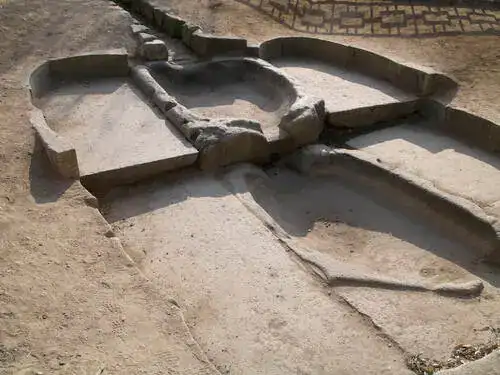
Gyeongju Historic Areas
The Gyeongju Historic Areas contain a remarkable concentration of outstanding examples of Korean Buddhist art, in the form of sculptures, reliefs, pag...
South Korea
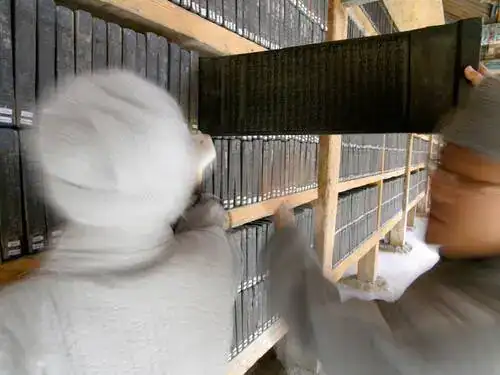
Haeinsa Temple Janggyeong Panjeon, the Depositories for the Tripitaka Koreana Woodblocks
The Temple of Haeinsa, on Mount Gaya, is home to the Tripitaka Koreana, the most complete collection of Buddhist texts, engraved on 80,000 woodblocks...
South Korea
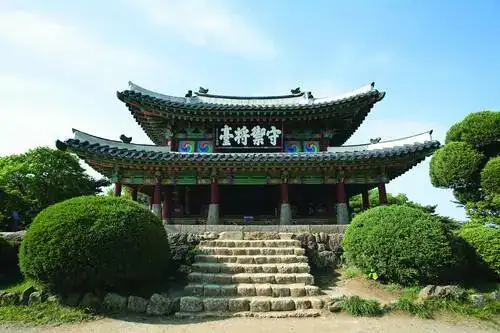
Namhansanseong
Namhansanseong was designed as an emergency capital for the Joseon dynasty (1392–1910), in a mountainous site 25 km south-east of Seoul. Built and def...
South Korea
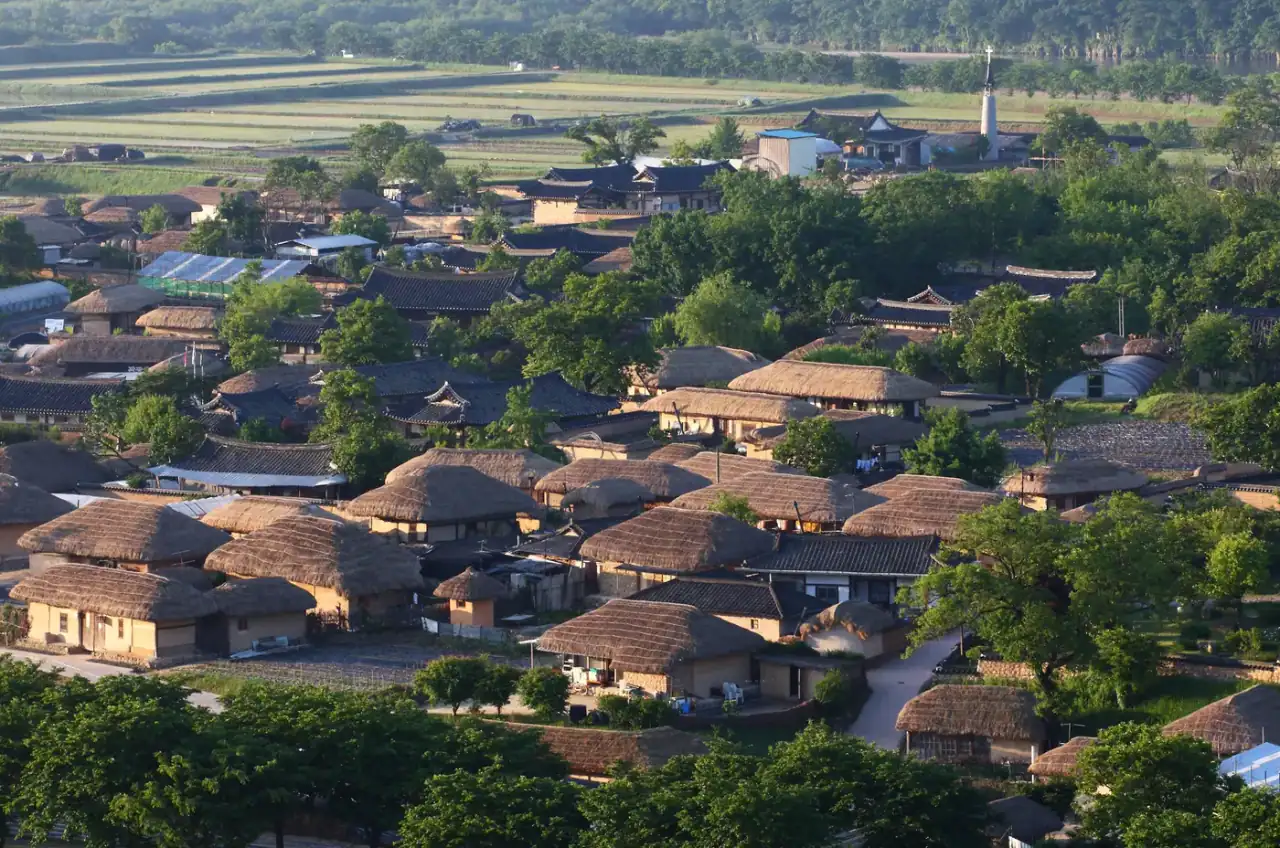
Historic Villages of Korea: Hahoe and Yangdong
Founded in the 14th-15th centuries, Hahoe and Yangdong are seen as the two most representative historic clan villages in the Republic of Korea. Their ...
South Korea
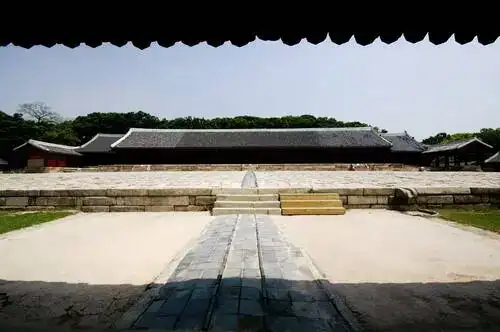
Jongmyo Shrine
Jongmyo is the oldest and most authentic of the Confucian royal shrines to have been preserved. Dedicated to the forefathers of the Joseon dynasty (13...
South Korea
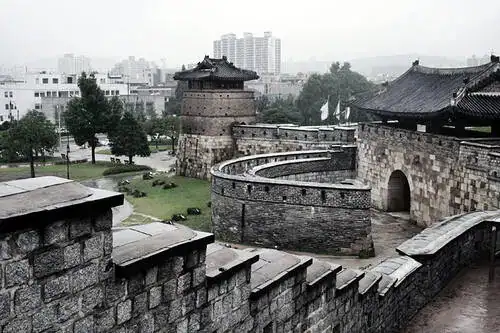
Hwaseong Fortress
When the Joseon King Jeongjo moved his father's tomb to Suwon at the end of the 18th century, he surrounded it with strong defensive works, laid out a...
South Korea
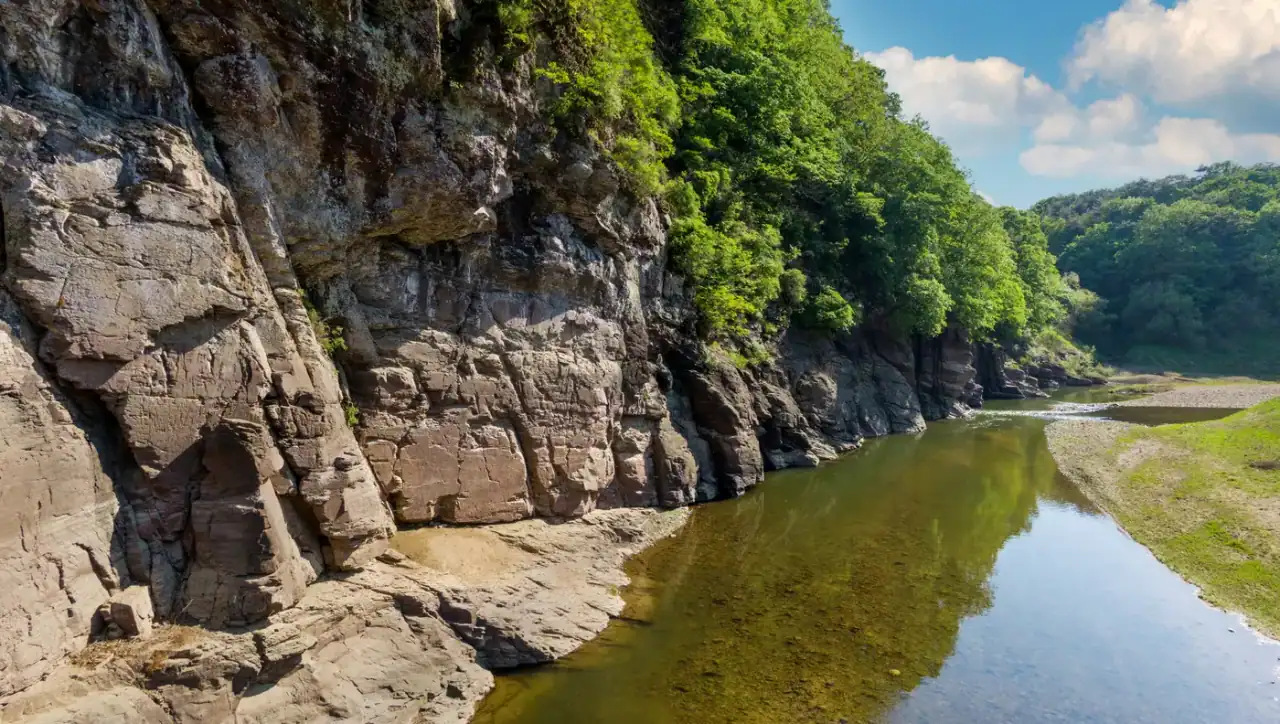
Petroglyphs along the Bangucheon Stream
The property is located along the Bangucheon Stream on the Republic of Korea’s southeastern coast, spanning about three kilometers through a landscape...
South Korea
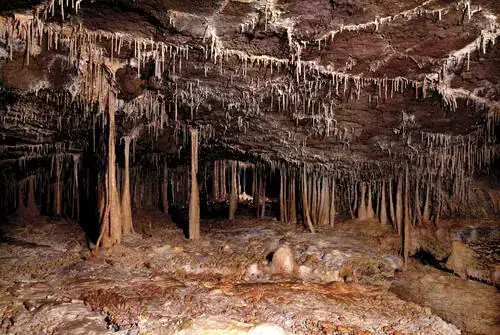
Jeju Volcanic Island and Lava Tubes
Jeju Volcanic Island and Lava Tubes together comprise three sites that make up 18,846 ha. It includes Geomunoreum, regarded as the finest lava tube sy...
South Korea
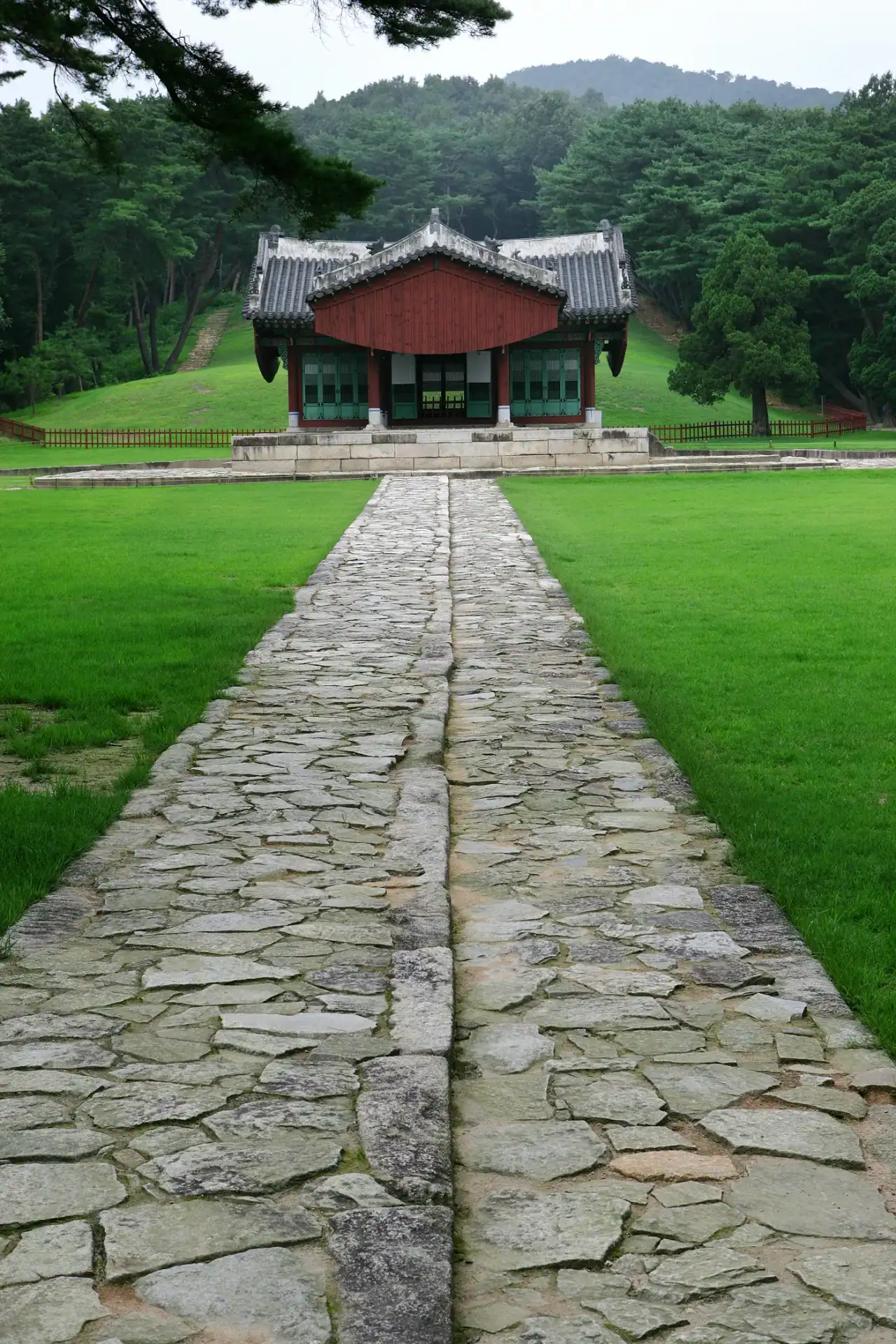
Royal Tombs of the Joseon Dynasty
The Royal Tombs of the Joseon Dynasty form a collection of 40 tombs scattered over 18 locations. Built over five centuries, from 1408 to 1966, the tom...
South Korea
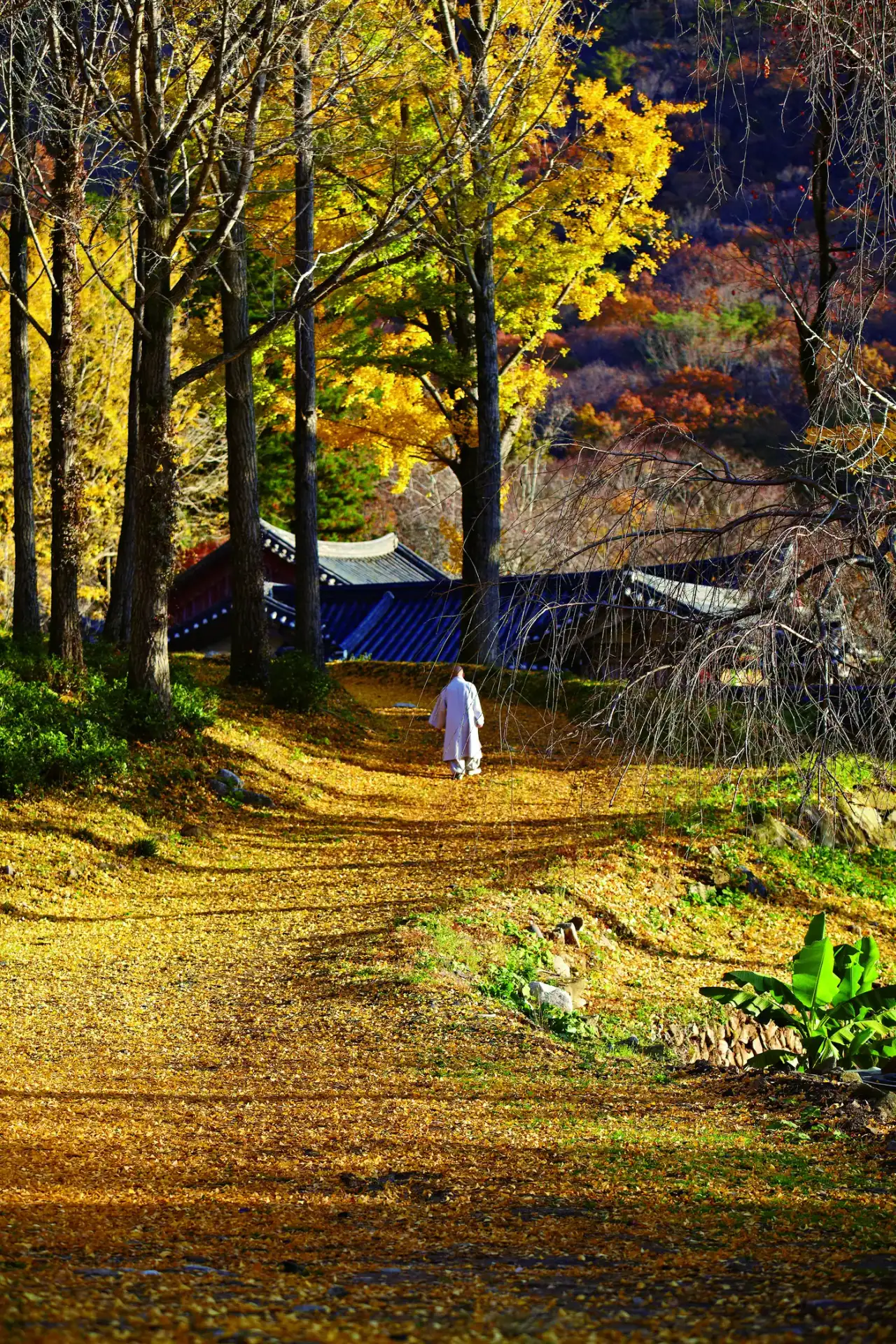
Sansa, Buddhist Mountain Monasteries in Korea
The Sansa are Buddhist mountain monasteries located throughout the southern provinces of the Korean Peninsula. The spatial arrangement of the seven te...
South Korea
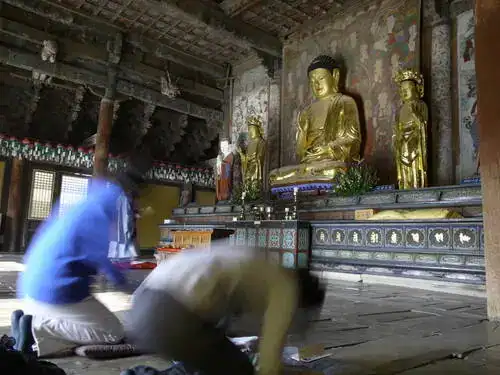
Seokguram Grotto and Bulguksa Temple
Established in the 8th century on the slopes of Mount Toham, the Seokguram Grotto contains a monumental statue of the Buddha looking at the sea in the...
South Korea
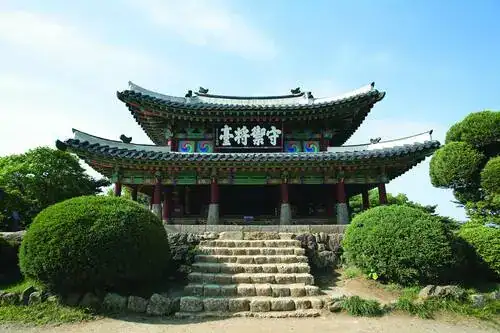
Unknown Site
Namhansanseong was designed as an emergency capital for the Joseon dynasty (1392–1910), in a mountainous site 25 km south-east of Seoul. Built and def...
South Korea
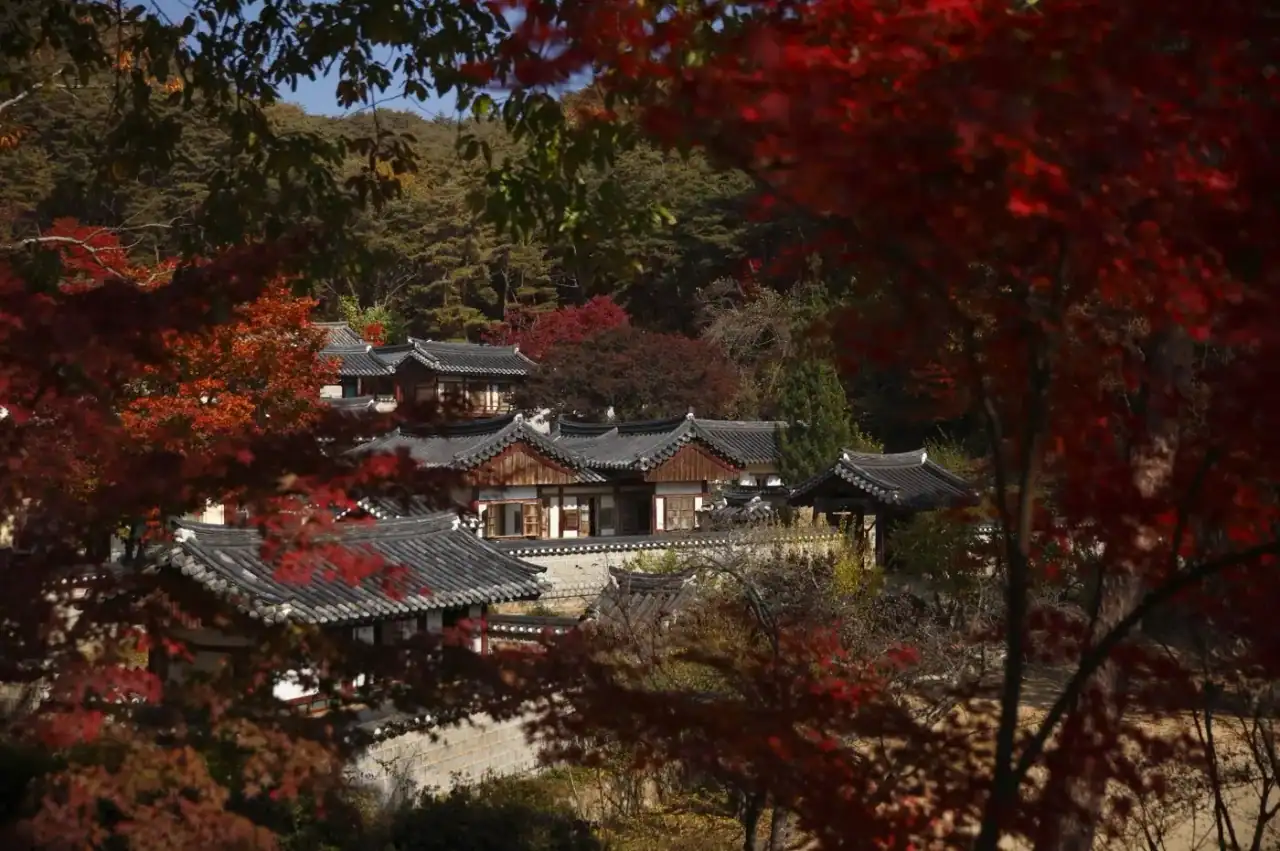
Seowon, Korean Neo-Confucian Academies
The property is located in central and southern parts of the Republic of Korea, and comprises nine seowon, representing a type of Neo-Confucian academ...